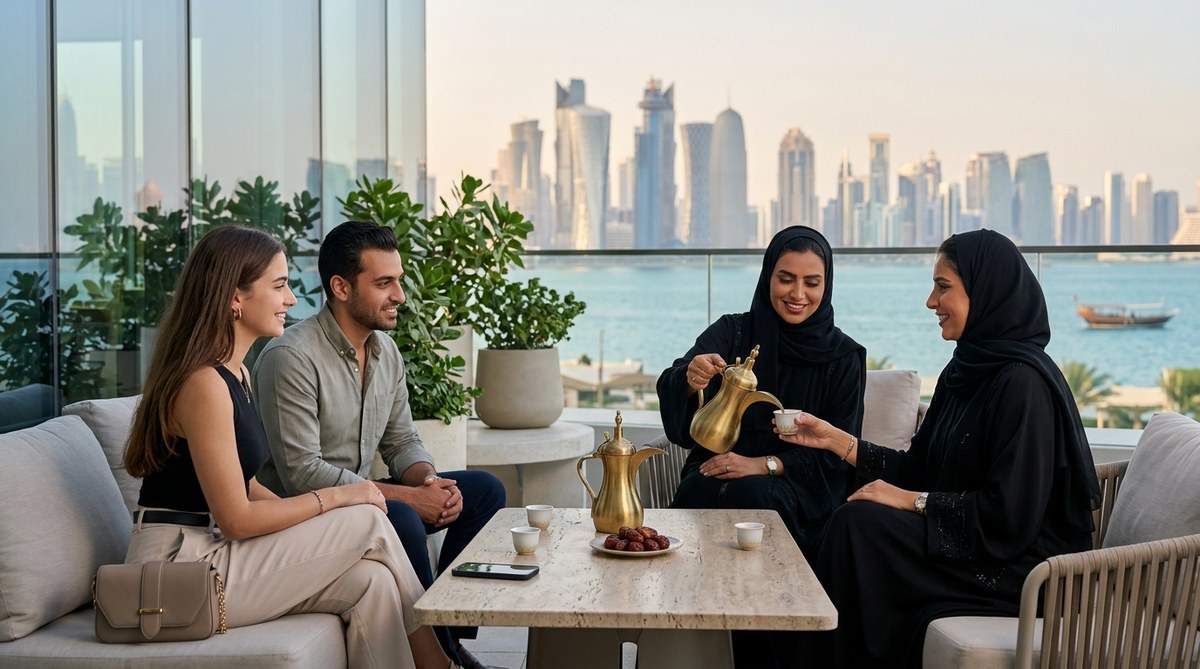
Qatar is a country of contrasts where ancient traditions sit alongside bold modern development. From solar powered desert camps to sleek city skylines, the cultural heartbeat remains rooted in hospitality, family, and respect. For travelers, expats, and curious locals alike, understanding daily etiquette and the currents of modern trends makes every experience in Qatar more meaningful. At JustHere.qa we aim to be your trusted cultural compass, offering practical guidance on how to navigate social norms, etiquette in everyday life, and the latest cultural movements shaping the Qatar of today.
What makes Qatari culture special
Qatari culture centers on a few timeless pillars that travelers and residents quickly notice:
- Hospitality: Welcoming guests is a sacred tradition, often expressed through coffee, dates, and generous meals.
- Family and community: Extended families and close-knit communities provide a strong support network and social fabric.
- Respect for tradition: Religion, customs, and etiquette guide behavior in public and private life.
- Adaptability: A young, tech-savvy population embraces innovation while honoring heritage.
- Pride in heritage: Art, handicrafts, music, and sports reflect a deep connection to history and the landscape.
Understanding these core values helps explain why certain behaviors may differ from what you might expect in other parts of the world. But Qatar also embraces global influences and modern trends that shape daily life in dynamic ways.
Daily etiquette in Qatar: practical tips for seamless living
Etiquette is the bridge between respect and comfort in public spaces, workplaces, and social gatherings. Here are practical guidelines categorized for easy reference.
Greetings and personal space
- Handshakes and greetings
- In formal settings, a handshake is common between men and between a man and a well respected elder. Wait for the other person to initiate if you are unsure.
- If you are a woman, you may be greeted with a smile and a nod. Some men may prefer a verbal greeting rather than a handshake with a woman who is a stranger. Take cues from the other person.
- Addressing people
- Use titles and the first name when appropriate. For example, say Mr. or Mrs. followed by the person’s name when you are new to someone.
- In many social circles, close friends use first names quickly, but in formal settings you should maintain polite formality until invited to be more casual.
Dress and personal presentation
- Modesty matters in many public spaces. In malls, cafes, and offices you will notice modest attire.
- For men: Short sleeves are acceptable in many casual venues, but neat shirts are appreciated. For formal events, a smart suit or blazer is common.
- For women: Knee length or longer skirts or dresses are common in public spaces. If visiting religious sites or more traditional areas, conservative attire is appreciated.
- Swimwear is restricted to beaches and pools. Cover up when moving between venues.
Public behavior and photography
- Public displays of affection are generally discouraged in more conservative areas.
- When photographing people, always ask for permission, especially in private or family settings.
- In quiet places like mosques or religious centers, be mindful of silence and remove hats if asked.
Tipping and service norms
- Tipping is appreciated but not mandatory. In restaurants, a tip of 10 to 15 percent is common if service is not included.
- For cafes and casual spots, a small tip or rounding up the bill is common.
- When staying in hotels or using professional services, polite gratitude and a modest tip when appropriate are appreciated.
Dining etiquette
- Right hand use is customary for eating and handling food, especially in traditional settings.
- Coffee culture is a hallmark of hospitality. You may be offered gahwa (distinctive Qatari coffee) and dates as a welcome gesture.
- Sharing meals often means everyone takes portions from the same dish, so using your own utensils and keeping cleanliness in mind is important.
- If you are invited to a home for a meal, bring a small gift such as pastries or sweets to show appreciation.
Ramadan and religious observances
- During Ramadan, eating and drinking in public during daylight hours is restricted. If you are outside the home, be mindful of fasting practices.
- Evening meals, known as iftar, are social gatherings. Participating in these events when invited is a sign of respect and curiosity.
- Dress modestly and avoid loud behavior during religious times or prayer.
Workplace etiquette
- Punctuality is valued, though some flexibility exists in social settings.
- Meetings often begin with light conversation before the business agenda. Small talk is common and can help set a positive tone.
- Dress codes for business are usually formal, especially in government or conservative sectors.
- Respectful communication and collective decision making are important in team settings.
Dress code and personal interactions for visitors and residents
- Dress modestly in public. This reduces risk of offense and shows respect for local norms.
- In family homes or intimate gatherings, you may see more relaxed attire, but always err on the side of modesty if you are unsure.
- When in doubt, observe and mirror how hosts dress for the event you are attending.
- For women travelers, a scarf or light shawl is handy for securing privacy or covering shoulders when needed.
Food and dining etiquette in Qatar
Food carries cultural significance and is often a social centerpiece. Here is what to know:
- Coffee and dates: A traditional welcome that signals hospitality. Accept the offer with appreciation.
- Sharing dishes: Use your right hand or a clean utensil for serving yourself from shared plates.
- Hospitality rituals: The host may insist you take a larger portion as a sign of generosity. Feel free to decline politely if you are full.
- Ramadan dining: Many restaurants operate on altered hours. If you are dining during the fasting month, be mindful of meal times.
Modern trends shaping Qatari culture
Qatar is undergoing rapid transformation while preserving heritage. Here are some of the trends you might notice on a typical day in Doha or during a weekend explore around the country.
Women and leadership
- More women are leading in business, academia, and public life, contributing to a broader conversation about gender and opportunity.
- Social norms continue to evolve with greater visibility of women in workplaces, entrepreneurship, and cultural organizations.
- Digital platforms are amplifying women’s voices and connections across communities.
Youth and digital culture
- A young population blends tradition with technology, creating vibrant online communities focused on gaming, fashion, language learning, and activism.
- Cafes, coworking spaces, and pop up events are popular for socializing and networking.
Arts, handicrafts, and design
- Qatar’s arts scene is expanding with museums, galleries, and cultural centers that showcase contemporary and traditional work.
- Handicrafts such as pottery, weaving, and embroidery reflect regional aesthetics and often intersect with modern design.
- Local markets (souqs) remain hubs for authentic crafts, textiles, and culinary specialties.
Coffee culture and social spaces
- Third wave coffee shops and specialty cafes are part of the modern landscape, alongside traditional gahwa experiences.
- Social spaces like coworking hubs and lounges foster collaboration and community among locals and expats.
- The cafe scene often hosts events, talks, and art shows that celebrate local talent.
Sports and public life
- Football, sailing, and endurance races bring people together and form social glue for the community.
- Public art, open air markets, and family-friendly events are common on weekends.
Language and digital trends
- Arabic remains central to identity, with English widely used in business and among expats.
- Social media, short video content, and digital trends influence how culture is shared and discussed.
Navigating cultural etiquette for travelers and expats
If you are visiting or newly relocated, these practical tips can help you integrate smoothly and avoid missteps.
- Learn a few Arabic phrases: Greetings and polite expressions go a long way in establishing goodwill.
- Dress thoughtfully: Tailor your wardrobe to the setting, especially in formal or religious contexts.
- Observe behavior in places of worship: Shoes off, quiet voices, and respectful conduct.
- Ask before photographing people: A simple request avoids awkward moments.
- Be mindful of Ramadan: Plan meals around Iftar and adjust schedules for fasting hours when necessary.
- Respect private spaces: You may be invited for home meals and gatherings; bring a small token of appreciation.
- Use reputable sources for recommendations: On JustHere.qa you will find curated guides to neighborhoods, cafés, and cultural events.
Public etiquette in spaces such as malls, cafes, and public transport
- Public conversations should be considerate of others. Keep voices at a moderate level.
- Personal space is valued, so avoid unnecessary physical contact in crowded places.
- When using public transport, offer priority to elders and people with disabilities, and keep noise to a minimum.
- In shopping venues, approach staff with courtesy and patience, as customer service is valued.
Language and communication
- Arabic is the heart of daily conversation. Even basic phrases can signal respect and openness.
- English is widely understood in business and urban areas, making it a practical bridge language for visitors.
- Nonverbal cues vary across cultures; a warm smile and steady eye contact often convey respect, but avoid staring in ways that might feel intrusive.
Authentic cultural experiences to seek in Qatar
For those who want to dive deeper into culture and heritage, here are reliable avenues and experiences to consider:
- Visit the Qatar National Museum and Mathaf for insights into history and modern art.
- Explore traditional souqs for textiles, handicrafts, spices, and regional delicacies.
- Attend local events, festivals, and cultural soirées that highlight music, dance, and storytelling.
- Experience a traditional gahwa ceremony that introduces you to hospitality rituals.
- Participate in a desert camp experience that respects local ecology and heritage while offering modern comforts.
Practical do’s and don’ts for a respectful stay
- Do learn a few polite phrases in Arabic and use them in greetings.
- Do dress modestly in public spaces, including malls and offices.
- Do ask before taking photos of people or private homes.
- Do attend local events with an open mind and willingness to learn.
- Dont assume that all social norms are identical across the region. Qatar has its own unique blend of tradition and modern life.
- Dont engage in loud or disruptive behavior in religious or family settings.
- Dont rely on stereotypes; take time to ask questions and observe.
How JustHere.qa supports your journey through culture and heritage
JustHere.qa is designed as a cultural and lifestyle guide to Qatar. We cover regional influence, cafés, workspaces, handicrafts, short layovers, job hunting, and Arabic digital trends. Our aim is to be a trusted resource for daily life, travel, and cultural insights in Qatar. Through in-depth guides, practical tips, and thoughtful narratives, we help readers understand the nuances of Qatari culture and how to engage with it respectfully and enjoyably.
- In-depth articles: We provide nuanced explorations of etiquette, social norms, and cultural movements.
- Practical tips: Every piece includes concrete steps you can take to behave respectfully and confidently.
- Local insights: We spotlight authentic places, events, and experiences that reflect Qatar’s heritage and present day life.
- User-friendly approach: Clear sections, engaging tone, and actionable takeaways aimed at both visitors and residents.
Conclusion: embracing Qatari culture with confidence
Understanding Qatari culture is less about memorizing rules and more about approaching daily life with curiosity, respect, and a willingness to learn. Hospitality, family, and tradition are the threads that weave through both old and new Qatar. By following everyday etiquette, appreciating the significance of social spaces, and embracing modern trends with sensitivity, you can enjoy a richer, more meaningful experience in this vibrant country.
Whether you are sifting through handicrafts at a souq, sipping gahwa with new friends, or navigating a coworking space on a sunny Doha afternoon, remember that cultural fluency grows from small, respectful actions. At JustHere.qa we will remain your companion on this journey, offering reliable guidance, fresh perspectives, and curated stories that celebrate Qatar’s culture and everyday life.